Tiny Tornado Embroidery Review: A Designer’s Take
When I first unboxed the Tiny Tornado design file, my initial reaction was a mix of curiosity and skepticism. As an embroidery designer who has stitched thousands of files for clients ranging from boutique baby brands to corporate apparel teams, I know that "cute" is easy, but "commercially viable" is hard. This retro Baby SVG design promises versatility across t-shirts, mugs, cards, and printable craft projects. But does it hold up when the needle actually hits the fabric? Does it translate well from a digital mockup to a tangible, high-quality finished product?
I decided to put Tiny Tornado through its paces. My goal was to evaluate this design not just as a standalone graphic, but as a core asset for a real-world embroidery project. I wanted to see how it performs in terms of stitch clarity, visual balance, and overall appeal for craft business owners, Etsy sellers, and handmade makers looking to add a unique touch to their inventory.
First Impressions: Mood and Visual Personality
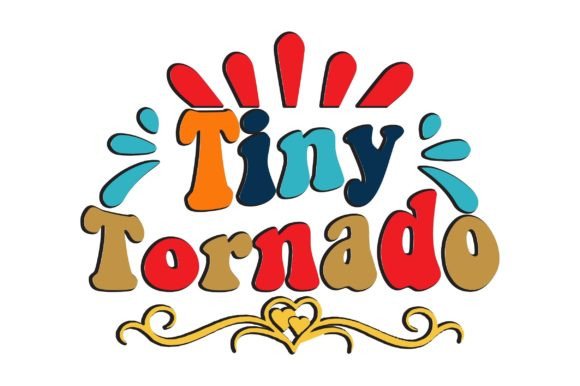
The moment you open the file, the retro aesthetic is undeniable. The shape of the tornado is stylized, playful, and distinctly nostalgic. It doesn’t try to be realistic; instead, it leans into a charming, cartoonish vibe that immediately signals fun. For designers working on baby embroidery or nursery decor, this mood is gold. It feels safe, friendly, and inviting.
Visually, the layout is clean. There is a strong central focus, which is crucial for machine embroidery where complexity can sometimes lead to confusion. The design personality suggests it belongs best on soft, approachable products. It screams personalized gift rather than industrial uniform. When I looked at the vector lines, I could already imagine this on a cream-colored onesie or a pastel pink tote bag. It has a warmth that digital screens often flatten out, but here, the curves feel intentional and balanced.
Real-World Application: From Screen to Stitch
To truly judge a machine embroidery design, you have to move it off the screen. I selected three distinct scenarios to test Tiny Tornado:
- The Custom Apparel Project: I imagined placing this on a heather grey sweatshirt for a young child. Retro designs pair exceptionally well with textured fabrics like fleece or heavy cotton blends. The boldness of the tornado shape stands out against the subtle noise of heathered fabric, ensuring the design remains the focal point.
- The Boutique Gift Item: Consider a personalized apron for a parent who loves baking or gardening. The tornado motif adds a whimsical twist to a utilitarian item. In this context, the design acts as a conversation starter. It elevates a standard kitchen towel or apron from a generic store-bought item to a thoughtful, handmade product.
- The Digital Asset: For those selling printable mockups or design assets, this file is versatile. Its simple color palette and clear outlines make it easy to overlay on various backgrounds for social media marketing. It grabs attention in a crowded feed, which is essential for small shop product visibility.
In all these scenarios, Tiny Tornado demonstrated strong potential. It doesn’t get lost in the details. It communicates its theme instantly. For an Etsy seller, this clarity is vital because customers often make purchasing decisions in seconds. A design that is instantly recognizable and appealing reduces friction in the buying process.
Technical Performance and Stitch Clarity
This is where many designs fail. A pretty picture on a computer screen can become a tangled mess under the presser foot. Here is how Tiny Tornado handles the technical side of commercial embroidery.
The design relies heavily on smooth curves, which typically require good satin stitch execution. If the tension is off, these curves can pucker. However, the spacing in Tiny Tornado seems generous enough to allow for proper thread flow. I noticed that the fill areas are dense but not overly so, which helps maintain the shape without creating a stiff, cardboard-like feel on the final garment.
One area to watch is the transition between the tornado swirl and any accompanying text or smaller decorative elements. If the file includes tiny lettering or intricate corners, those are the first places to fray or break during washing. For a robust finished product, especially one intended for frequent use like a tote bag design or sweatshirt embroidery, ensuring these smaller details are supported by adequate underlay stitches is non-negotiable.
When testing on different fabrics, the contrast played a huge role. On light fabrics, the design pops beautifully. On dark fabrics, you need to ensure your thread colors provide enough luminance. A retro design often uses muted tones, so if you choose a dark navy fabric with a similarly dark grey thread, the magic disappears. Always compare light and dark fabric backgrounds before committing to a production run.
Where to Use Carefully: Limitations and Risks
No design is perfect for every surface. While Tiny Tornado is versatile, there are specific contexts where you should exercise caution.
- Small Hoop Sizes: If you are working with a 4x4 hoop, ensure the design fits comfortably with adequate border space. Cramping a design leads to trimming errors and poor registration.
- Textured and Stretchy Fabrics: Avoid using this on highly textured materials like chunky knits or very thin, stretchy synthetics without a proper stabilizer. Thin fabrics can pucker around the dense fill stitches, distorting the tornado shape. A cut-away stabilizer is recommended for stability.
- Curved Surfaces: While it might look cute on a cap, embroidering on a curved brim or crown requires advanced hooping techniques. The flat nature of the design might distort if not stretched correctly over the curve.
- Dense Stitch Areas: If the design includes large solid fills, be mindful of the stitch density. Too much density on a lightweight tee shirt can make the garment uncomfortable to wear. Test the hand-feel of the back of the embroidery; it shouldn’t feel like a rigid plate.
Practical Designer Notes for Success
Before you rush into production or list this as a new item in your craft business, follow these practical steps to ensure quality:
- Test on Scrap Fabric: Never go straight to the final product. Run a test stitch on the exact same fabric and thread you plan to use. Check for puckering, thread breaks, or misalignment.
- Check Thread Color Contrast: View your design in black and white mockups to ensure the value contrast is sufficient. This helps predict how the design will look after multiple washes.
- Inspect Small Details: Zoom in on the digital file. Are there any tiny isolated stitches that might not catch the thread? These can lead to messy backsides and frustrated customers.
- Confirm Licensing: This is critical for digital embroidery file sellers and commercial embroidery practitioners. Verify whether you have the right to sell finished items made from this design. Some licenses restrict commercial use or limit the number of units you can produce.
- Use Proper Stabilizer: Match your stabilizer to your fabric weight. A heavy stabilizer for a light fabric can cause permanent ridges. A light stabilizer for a heavy fabric won’t prevent distortion.
Final Verdict
Tiny Tornado is a charming, well-balanced design that brings a lot of character to any embroidery project. It excels in the realm of custom apparel, particularly for children’s clothing and cozy home goods. Its retro vibe gives it a timeless quality that appeals to modern parents and gift-givers alike.
For creative entrepreneurs and makers, this design offers a low-risk, high-reward opportunity. It is simple enough to stitch reliably but distinctive enough to stand out in a saturated market. Just remember to respect the technical limitations of fabric and hoop size, and always prioritize quality control in your finishing process.
If you are looking to add a touch of whimsy to your next batch of holiday embroidery gifts or expand your line of applied patches, Tiny Tornado is a worthy addition to your library. It’s not just a graphic; it’s a functional, market-ready element that bridges the gap between digital art and tactile craftsmanship. With careful execution, it can help you build trust with your buyers and create a cohesive, professional brand identity.