Retro Cowgirl: A Designer's Real-World Embroidery Review
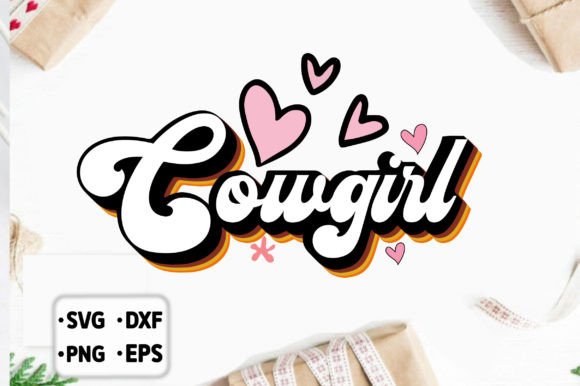
When I first opened the Retro Cowgirl file, my immediate reaction wasn't about the technical specs or the file format. It was about the vibe. There is a specific energy that comes with Southern aesthetics, but this design manages to capture it without feeling dated or cliché. As someone who has spent years reviewing digital assets for both personal hobby projects and commercial client work, I look for designs that hold up under the microscope of a sewing machine needle. This piece feels like it belongs in a boutique shop window, on a high-quality canvas tote, or perhaps stitched onto a denim jacket for a custom gift.
The prompt mentions that these are illustrations receiving higher quality than presentation images, which is a crucial detail for any embroidery designer. In the world of digital graphics, screen resolution often hides jagged edges or poorly defined curves that become disastrous when converted into stitch data. My first step before using Retro Cowgirl was to visualize how those lines would translate into actual thread. The mood is playful yet polished, suggesting a project that could easily transition from a casual craft fair item to a professional custom apparel piece for a small business owner.
From Screen to Stitch: Visualizing the Project
Let's imagine a real scenario. You are preparing inventory for an upcoming holiday market or restocking your Etsy shop. You need something that screams "handmade" but looks professionally finished. I decided to test Retro Cowgirl on a sturdy cotton canvas tote bag. Why? Because the retro theme pairs perfectly with the rustic texture of natural fabrics, and the design's bold lines cut through the weave beautifully.
In this context, the design acts as a statement piece. Unlike a tiny logo that gets lost in the seam allowance, this layout commands attention. When I ran the simulation in my cutting software, I noticed how the shapes interact. The curves of the silhouette suggest movement, which is vital for embroidery because static shapes can sometimes feel flat once stitched. On a tote bag, this design creates a focal point that draws the eye immediately. It feels like a product that customers would want to show off, increasing the perceived value of the handmade product.
However, not every application is a win. If you were planning to use this for a baby onesie, you have to be careful. While the theme is cute, the scale might be too large for a newborn garment unless you resize it significantly. For a larger child's shirt or a youth sweatshirt, it works wonders. The key here is understanding the relationship between the hoop size and the final product. A design that fits a 4x4 hoop on a hat brim will look completely different on a chest pocket versus a full back print.
Where Retro Cowgirl Shines in Commercial Projects
For the Etsy seller or small shop product creator, versatility is currency. Retro Cowgirl isn't just a graphic; it is a brand asset. I see this design fitting seamlessly into a line of kitchen accessories. Imagine it embroidered on a heavy-duty apron for a local bakery or stitched onto a tea towel for a wedding shower gift. The retro aesthetic aligns perfectly with current trends in farmhouse decor and vintage-inspired crafts.
The design also excels in creating a cohesive brand identity. If you are selling digital embroidery files or physical goods, consistency matters. Using Retro Cowgirl across different items—like matching patches, pillow covers, and caps—creates a recognizable visual language. Customers trust brands that look uniform. When they see that same cowgirl motif on a patch and a sweatshirt, it signals professionalism. It tells them that you care about the details, which translates to higher customer engagement and repeat sales.
Furthermore, this design has strong potential for holiday embroidery. Think of it as a unique alternative to traditional Christmas motifs. It could be a perfect personalized gift for a rancher's wife, a rodeo enthusiast, or anyone with a love for Southern culture. The warmth of the theme makes it highly giftable, allowing you to charge a premium for personalized gifts that feel thoughtful and tailored.
Practical Constraints and Design Challenges
While I am enthusiastic about the artistic direction, a responsible reviewer must address where this design might struggle. Not every fabric plays nice with every pattern. Retro Cowgirl relies on clean lines and distinct shapes. If you attempt to stitch this on a stretchy jersey knit without proper stabilization, you risk distortion. The curves might pull, and the straight edges could wobble, ruining the crisp look that makes the design appealing.
Textured fabrics present another hurdle. If you are working with a boucle wool or a heavily napped fleece, the fine details of the illustration might get swallowed by the pile. In such cases, the design loses its definition. Similarly, on dark fabrics, you need to ensure you have enough coverage in the fill stitches. If the underlay isn't sufficient, the thread colors might not pop against the background, making the image look muddy rather than vibrant.
I also need to mention the issue of small details. If you plan to shrink this design down for a cap or a small patch, you must inspect the corners closely. Tiny points in a vector file can sometimes break apart when converted to satin stitch or fill stitch if the density is too high. Dense stitch areas can cause puckering, especially on thinner materials like lightweight t-shirts. Before committing to a bulk run of commercial embroidery orders, always check the stitch density and ensure your machine can handle the complexity without skipping stitches.
Essential Notes for the Embroidery Designer
To get the best results from Retro Cowgirl, I recommend following a strict testing protocol. Never assume the file will work perfectly out of the box. Start by stitching a test swatch on scrap fabric that matches your final material. Check the thread color contrast; sometimes a color that looks great on a monitor fails to show up on black fabric. Review the stitch density to ensure there is no excessive buildup of thread that could make the fabric stiff or prone to tearing.
Confirming your hoop size is critical. Ensure the design dimensions fit your intended product area with enough margin for framing. Inspect small details like eyes or decorative accents to make sure they aren't lost in translation. It is also wise to test the design in black and white mockups to see how the shapes read without the distraction of color. Compare light and dark fabric backgrounds to verify that the underlay and cover stitches provide adequate opacity.
Finally, never forget the importance of proper stabilizer. Whether you are using cut-away for permanent wear or tear-away for temporary support, the right choice determines the longevity of the finished product. If you are selling these items, durability is non-negotiable. You want your customers' tote bag design or sweatshirt embroidery to survive frequent washing without fading or distorting. Also, double-check the licensing terms. Confirm whether you are allowed to sell finished items made with this digital embroidery file or if it is strictly for personal use. This protects your craft business from legal issues down the road.
The Verdict on a Retro Staple
Retro Cowgirl is more than just a pretty picture; it is a functional tool for creative entrepreneurs. It balances nostalgia with modern design sensibilities, making it a versatile addition to any design assets library. Whether you are crafting a baby embroidery outfit for a special occasion or building a collection of embroidered patches for a clothing line, this design offers a solid foundation.
It succeeds because it understands the medium. It doesn't try to be a photograph; it embraces the limitations and strengths of thread and fabric. When executed correctly, it elevates a simple graphic into a tangible piece of art that adds value to your product category of Crafts. For the maker who values practicality, aesthetics, and reliability, Retro Cowgirl earns a spot in the studio. Just remember to test, stabilize, and respect the fabric, and you will have a winning project on your hands.