Rockin Around the Upside Down: A Designer’s Review
As someone who spends more time looking at stitch density charts than actual sleep, I approach every new embroidery file with a healthy dose of skepticism. The market is flooded with generic clip art that looks messy when digitized, but occasionally, a design comes along that actually understands the medium. That is exactly how I felt when I first loaded Rockin Around the Upside Down into my hoop. It is not just another holiday graphic; it is a retro-style SVG-PNG asset that translates surprisingly well into physical thread, provided you understand its visual language.
The First Impression: Retro Vibes and Visual Personality
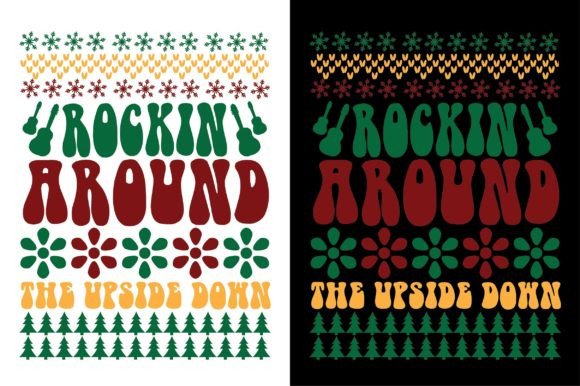
When you look at Rockin Around the Upside Down, the immediate takeaway is its playful, nostalgic energy. The title suggests a twist on traditional Christmas cheer, and visually, it delivers. The layout feels balanced, avoiding the cluttered look that often plagues holiday-themed machine embroidery designs. For a designer, this is crucial. You want a design that commands attention without shouting. This piece strikes a balance between bold graphics and delicate details, making it versatile enough for various applications.
The mood it creates is warm and inviting. It does not feel stiff or overly formal. Instead, it has a hand-drawn quality that suggests personality. When I evaluate a design for real project use, I ask myself: "Does this feel like something a customer would proudly wear or display?" With Rockin Around the Upside Down, the answer is yes. It has that specific charm that works exceptionally well for personalized gifts and boutique merchandise. It feels like a design that belongs in a cozy living room or on a stylish winter coat, rather than a mass-produced item from a big-box store.
Real-World Application: From Digital File to Finished Product
Let’s talk about where this design shines. In my recent workflow, I was preparing a batch of custom holiday gifts for a client who runs a small online shop. She needed items that stood out on Etsy but didn’t require an hour of stitching per piece. Rockin Around the Upside Down became the centerpiece of her collection. Here is how it performed in practical scenarios:
- Sweatshirt Embroidery: The design’s bold lines hold up beautifully on heavyweight cotton blends. On a cream or heather gray sweatshirt, the retro colors pop without overwhelming the garment. It gives off that effortless, curated aesthetic that Etsy sellers love.
- Tote Bag Design: I tested this on a natural canvas tote. The contrast against the rough fabric texture was excellent. It looked like a high-end brand logo rather than a craft fair afterthought. This makes it ideal for craft business owners looking to create affordable yet professional-looking accessories.
- Baby Embroidery: Because the design is not overly complex in terms of tiny, fragile details, it works well on baby onesies and burp cloths. Parents appreciate designs that are cute but durable enough to survive frequent washing.
- Holiday Embroidery Projects: Beyond apparel, this design fits perfectly on kitchen towels, aprons, and pillow covers. It adds a festive touch to home decor without feeling tacky.
The versatility of this digital embroidery file cannot be overstated. Whether you are creating custom apparel for a local boutique or designing design assets for digital mockups, this piece adapts well. It bridges the gap between a fun novelty item and a sophisticated graphic element.
Technical Considerations and Stitch Quality
However, no design is perfect, and as a reviewer, I must highlight where caution is needed. While Rockin Around the Upside Down is robust, it relies heavily on clean lines and solid shapes. This means your execution matters.
Stitch Density and Clarity: The design uses a mix of fill stitches and satin edges. If your machine tension is off, the satin stitch areas can pucker, especially on lighter fabrics. I recommend checking your stitch density settings before starting. If the design includes any text or very fine curves, ensure your hooping is tight and stable. Loose fabric leads to distorted geometry, which ruins the retro aesthetic instantly.
Fabric Choice: This design performs best on stable, medium-weight fabrics. Avoid using it on highly textured materials like chunky wool or loose-weave linen unless you are prepared for significant stabilizer usage. Similarly, stretchy knits require careful handling. If you are embroidering on a t-shirt, use a tear-away stabilizer to prevent shifting. For woven fabrics like denim or canvas, cut-away stabilizer is the safer bet for longevity.
Thread Colors: The visual appeal of this design is heavily dependent on color contrast. If you are using dark fabric, choose light, vibrant threads. Conversely, on light backgrounds, darker threads will define the shape better. I always suggest testing thread combinations on scrap fabric first. The interplay between the thread sheen and the fabric texture can make or break the final look.
Where to Use It Carefully
There are certain projects where Rockin Around the Upside Down might not be the best choice. Avoid placing it on curved surfaces like caps if the design has large, flat blocks of color, as the curvature can distort the perspective. Also, be cautious with small hoop sizes. If you try to downscale this design too much, you may lose the integrity of the shapes. Tiny lettering or intricate corners might become muddy stitches. If you need a smaller version, consider simplifying the design digitally before digitizing it again.
Impact on Brand and Customer Trust
For commercial embroidery professionals, the quality of the design directly impacts perceived value. A well-executed Rockin Around the Upside Down project signals professionalism. Customers associate clean stitching and thoughtful design placement with higher quality products. When a buyer sees a crisp, well-balanced retro design on a handmade product, they are more likely to trust the maker’s expertise.
This design also enhances giftability. The "upside down" theme is conversational. It invites questions and compliments, which increases engagement for small shop product sellers. It is not just a shirt; it is a statement piece. This emotional connection drives repeat business and positive reviews.
Practical Designer Notes for Success
To get the most out of this design, follow these practical steps:
- Test on Scrap Fabric: Always run a test stitch-out. Check for thread breaks, tension issues, and overall clarity.
- Review Hoop Size: Ensure your chosen hoop size accommodates the full design without awkward cropping.
- Use Proper Stabilizer: Match the stabilizer type to your fabric weight. Heavy fabrics need heavy support.
- Check Licensing: Before selling finished items, confirm the license terms. Some graphics allow commercial use, while others do not. Do not assume.
- Inspect Details: Zoom in on the digital file. Look for any overlapping paths or unnecessary nodes that could cause stitching errors.
- Mockup Testing: View the design in black and white to check contrast. If it doesn’t read well in grayscale, it might struggle in thread.
Final Verdict
Rockin Around the Upside Down is a standout piece in the Crafts and Graphics category. It offers a unique blend of retro charm and modern simplicity. For designers, it provides a reliable foundation for creating high-quality finished products. Whether you are a hobbyist making a personalized gift for family or an Etsy seller expanding your holiday inventory, this design deserves a spot in your library. Just remember: good results come from good preparation. Test, adjust, and execute with care, and you will have a stunning embroidery project that stands out.