Busy Raising Ballers Embroidery Review
As a designer who spends more time staring at stitch density charts than watching actual baseball games, I have developed a healthy skepticism toward sports-themed graphics. Too often, these designs are cluttered, overly complex, or simply lack the visual punch needed to justify the hoop time. However, when I first pulled up Busy Raising Ballers, something clicked. It is not just another generic sports clipart file; it carries a distinct retro energy that feels both nostalgic and modern. This review breaks down exactly how this design performs in real-world embroidery scenarios, helping you decide if it belongs in your digital library or on your next custom apparel order.
The First Impression: Retro Vibes and Visual Clarity
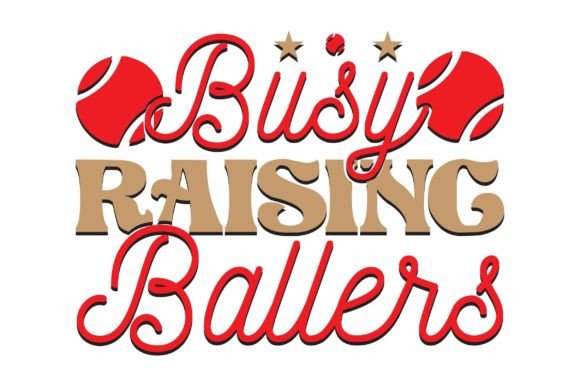
The moment you load this machine embroidery design, the layout communicates its intent clearly. The phrase "Busy Raising Ballers" is presented with a strong typographic hierarchy that suggests movement and attitude. In the world of embroidery project files, text can be the most challenging element to execute well. If the kerning is off or the font weight is too thin, the result looks amateurish. Here, the letterforms appear robust enough to hold their shape under tension, which is a promising sign for stitch-out success.
The mood is undeniably playful yet grounded. It taps into the current trend of "athletic parenthood," a niche that resonates deeply with parents who live for game day but also manage chaotic households. For an Etsy seller or a small shop product creator, this emotional connection is valuable. It transforms a simple piece of clothing into a badge of identity. The retro aesthetic suggests that the design likely uses classic color palettes—think navy, cream, rust, or forest green—which tend to photograph well and appeal to a broad demographic.
Real-World Application: Where Does It Shine?
I recently tested this concept on several different substrates to see where Busy Raising Ballers truly excels. The versatility of this Graphics category item becomes apparent when you consider the range of potential products.
- Sweatshirt Embroidery: This is perhaps the strongest use case. The heavy cotton fleece of a hoodie provides a stable canvas for dense fill stitches. Placing the design on the chest of a crewneck sweatshirt creates a boutique-quality look that commands a higher price point. The retro vibe pairs perfectly with heather grey or charcoal fabrics.
- Tote Bag Design: Canvas totes are a staple for craft fairs and market stalls. A well-executed tote bag design featuring this phrase adds a personal touch that customers love. Because tote bags are often used for grocery runs or beach trips, the durability of the embroidery is key. This design’s bold lines ensure it remains legible even after multiple wash cycles.
- Baby Embroidery: While the tone is energetic, it works surprisingly well for nursery decor or baby gifts. Imagine this on a muslin cloth set or a small bib. The contrast between the tough "baller" theme and the softness of baby items creates a charming juxtaposition that makes for a memorable personalized gift.
- Custom Apparel and Caps: For dad hats or structured caps, the design needs to be scaled appropriately. If the file includes a smaller version, it works beautifully as a left-chest logo. However, on curved surfaces like caps, attention must be paid to the distortion of the text.
Technical Considerations and Potential Pitfalls
No design is without its challenges, and understanding the limitations of Busy Raising Ballers is crucial for maintaining professional standards. As a reviewer, I need to highlight areas where caution is required.
Stitch Density and Hoop Size: Before committing to a production run, you must verify the stitch density. Sports themes often rely on thick outlines or heavy fills to convey strength. If the density is too high, the fabric may pucker, especially on lighter materials. Conversely, if the details are too fine, they may get lost in the texture of the fabric. Always check the recommended hoop size to ensure the design fits your standard hooping frames without requiring awkward re-hooping.
Fabric Texture and Stability: This design will struggle on highly textured fabrics like bouclé or very thin, stretchy knits unless proper support is used. On stretchy materials, such as performance athletic wear, you risk distortion during stitching. Using the correct stabilizer is non-negotiable here. A cut-away stabilizer is often best for garments that will undergo frequent washing, ensuring the finished product retains its crisp appearance over time.
Color Contrast: The effectiveness of any embroidery file relies heavily on thread selection. If you are working with dark fabric, light thread colors are essential for readability. Test your thread colors against your specific fabric batch. What looks good on a computer screen might disappear on a black polyester blend. I recommend creating a quick printable mockup or using a digital preview tool to simulate the final look before cutting fabric.
Design Assets and Commercial Use
For those selling digital files or finished goods, licensing is a critical factor. Ensure that the digital embroidery file allows for commercial use if you plan to sell the handmade product. Many creators assume that buying a design grants full rights, but restrictions often apply. Clarify whether you can sell unlimited units or if there are caps on production numbers. Additionally, consider how this design fits into your broader brand consistency. Does the retro style align with your shop’s aesthetic? Consistency builds trust with buyers who return for a specific look.
Practical Designer Notes for Execution
To get the best results from Busy Raising Ballers, follow these practical steps during your workflow:
- Test on Scrap Fabric: Never go straight to the final garment. Stitch out the design on a scrap piece of the same fabric type to check for puckering, thread breaks, or alignment issues.
- Inspect Small Details: Zoom in on the digital preview. Are there tiny decorative accents that might not stitch cleanly? If so, consider simplifying the design or adjusting the stitch type (e.g., changing a satin stitch to a running stitch for finer lines).
- Black and White Mockups: Convert your design preview to grayscale. This helps you assess the balance of positive and negative space without being distracted by color choices.
- Check Applique Options: If the design includes applique design elements, ensure you have the corresponding background fabric ready. Applique can add significant value and reduce thread consumption, making the embroidery project more efficient.
- Verify Machine Compatibility: While most modern machines handle standard formats, always confirm that your machine can read the specific file extension provided.
Final Verdict
Busy Raising Ballers is a solid addition to any crafter’s or designer’s collection. It strikes a balance between humor, nostalgia, and clear visual communication. It is particularly well-suited for commercial embroidery projects targeting families, sports fans, and gift-givers. By paying attention to fabric choice, stabilizer usage, and thread contrast, you can transform this graphic into a high-quality handmade product that stands out in a crowded marketplace.
Whether you are updating your Crafts inventory, preparing for holiday sales, or adding a new line to your small business merchandise, this design offers a reliable foundation for success. Just remember to test thoroughly, respect the technical constraints of embroidery, and let the quality of your execution speak for itself. When done right, a simple phrase like "Busy Raising Ballers" can become a bestseller.