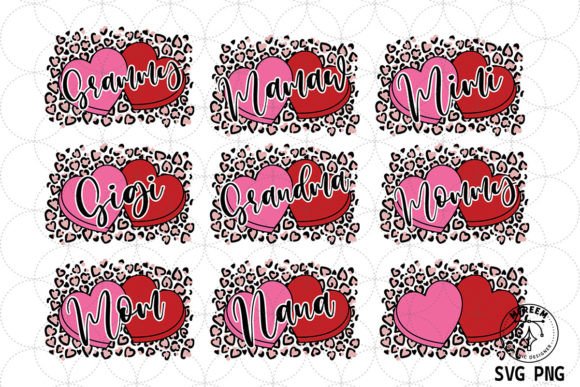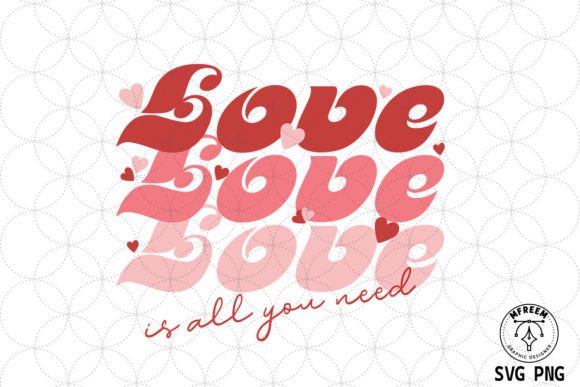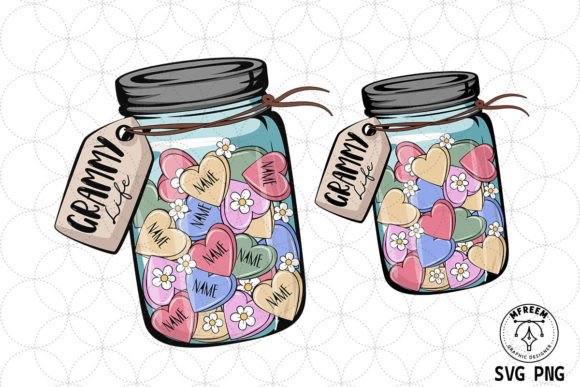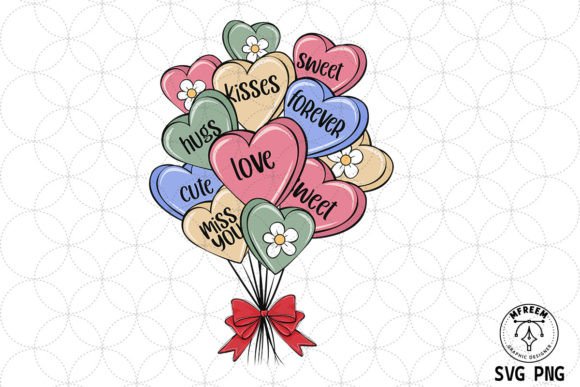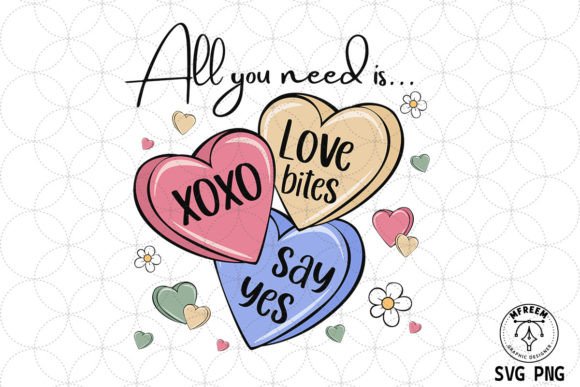
All You Need Is Candy Heart Valentine Review
As a designer who spends more time staring at stitch density charts and fabric swatches than actually drinking coffee, I approach every new digital asset with a healthy dose of skepticism. The market is flooded with generic heart shapes and cliché romantic quotes that scream "mass-produced." That is why I was genuinely interested in reviewing All You Need Is Candy Heart Valentine. This isn't just another clip-art file; it carries a specific retro energy that feels curated rather than generated. My goal here is to strip away the marketing fluff and look at this design through the lens of practical application. Would I trust this for a client’s boutique order? Would it hold up on a daily-wear sweatshirt? And does it have the visual punch to stop a scroll on an Etsy listing?
The First Impression: Retro Charm Meets Modern Clarity
When you first load the vector or embroidery file, the immediate takeaway is the nostalgic mood. It taps into the classic candy heart aesthetic without feeling dated. For designers working in the Crafts and Graphics spaces, this distinction matters. A lot of vintage-inspired designs fail because they are too busy or lack definition when scaled down. All You Need Is Candy Heart Valentine, however, strikes a balance between playful typography and clean graphic lines. The visual personality is confident but approachable, making it versatile enough for both serious brand work and lighthearted personal gifts.
The layout suggests a natural hierarchy. Whether used as a standalone statement piece or paired with complementary elements, the design holds its own. It doesn’t rely on excessive detail to make its point, which is a huge plus for embroidery. Simplicity often translates to higher quality stitching because there are fewer points of failure. The theme is unmistakably Valentine-centric, yet it avoids the overly saccharine pink-and-red trap that can feel juvenile. Instead, it offers a sophisticated nod to romance that appeals to adults who appreciate good design, not just holiday clichés.
Real-World Application: From Screen to Stitch
Let’s talk about where this design actually lives. In my recent workflow, I’ve been focusing heavily on custom apparel and small-batch merchandise. I imagined All You Need Is Candy Heart Valentine being stitched onto a heavyweight cotton sweatshirt for a local boutique’s Valentine’s Day drop. The design’s bold nature works exceptionally well on textured fabrics like fleece or heavy jersey, where the thread can catch the light and create depth. It transforms a basic garment into a statement piece, elevating the perceived value of the handmade product.
Beyond apparel, this design shines in the realm of accessories. I see it performing beautifully on canvas tote bags, where the crisp lines of the lettering contrast nicely against the rougher weave of the fabric. It also has strong potential for kitchen textiles. Imagine this stitched onto a flour sack towel or a quilted apron—items that serve as functional decor. For the Etsy seller or small shop owner, these are high-margin items that customers buy for themselves and as gifts. The design’s versatility allows you to cross-sell across categories, from custom apparel to home goods, maximizing the utility of a single purchase.
In the context of personalized gifts, the emotional resonance is key. A baby onesie or a nursery pillow cover featuring this design feels tender yet stylish. It fits seamlessly into the modern parent’s aesthetic, avoiding the overly cutesy tropes that many parents want to move past quickly. For holiday embroidery projects, it bridges the gap between traditional romance and everyday wearability, meaning the finished item won’t be relegated to the back of the closet after February 14th.
Where to Exercise Caution
No design is universally perfect, and transparency is part of a professional review. While All You Need Is Candy Heart Valentine is robust, there are specific scenarios where it might struggle. If you plan to use this on curved surfaces like baseball caps or fitted beanies, you must pay close attention to digitization. Small details can get lost or distorted if the curve is too aggressive. Similarly, on stretchy knits or thin synthetics, the tension needs to be dialed in perfectly to prevent puckering.
I would also advise against using this design for extremely small hoop sizes unless the digitizer has optimized the file for mini-hoops. Tiny lettering and fine decorative accents require a certain amount of space to breathe. If the stitches are too close together on a small scale, the fabric can become stiff and uncomfortable. Furthermore, on dark fabrics, ensure your thread colors provide sufficient contrast. A light pastel on black might wash out visually, whereas a vibrant neon or metallic thread could pop beautifully. Always test on scrap fabric first to gauge how the thread colors interact with your specific material.
Design Notes for the Serious Embroiderer
For those of us treating this as a business asset, a few technical considerations are non-negotiable. First, check the stitch density. A design that is too dense will weigh down lightweight fabrics and potentially damage the needle or machine. Conversely, one that is too sparse may look patchy and unprofessional. Inspect the file for any unnecessary jumps or trims that could slow down production time.
Another critical step is testing the design in black and white mockups. This helps you evaluate the composition and balance without the distraction of color. Does the eye travel naturally through the text and graphics? Is there enough negative space? Once you are satisfied with the structure, then bring in color. Consider the fabric texture as well; a smooth satin finish might highlight the satin stitch edges beautifully, while a matte cotton might soften them for a more rustic look.
Finally, do not overlook the licensing terms. If you are creating commercial embroidery products to sell, you must confirm whether the license allows for commercial use. Many digital embroidery files come with restrictions on the number of units you can produce. Ignoring this can lead to legal issues and financial penalties. For craft business owners, clarity here is as important as the design itself. Ensure you understand the difference between a personal use license and a commercial rights agreement before you start marketing your finished product.
Final Verdict
All You Need Is Candy Heart Valentine is a solid addition to any designer’s library. It combines nostalgic charm with practical usability, making it suitable for a wide range of projects from tote bag design to sweatshirt embroidery. It performs well in both personal and professional contexts, offering a level of sophistication that resonates with modern consumers. By paying attention to fabric choice, hoop size, and licensing, you can leverage this design to create high-quality, desirable products that stand out in a crowded marketplace. It is a reliable, aesthetically pleasing tool that earns its place in your workflow.